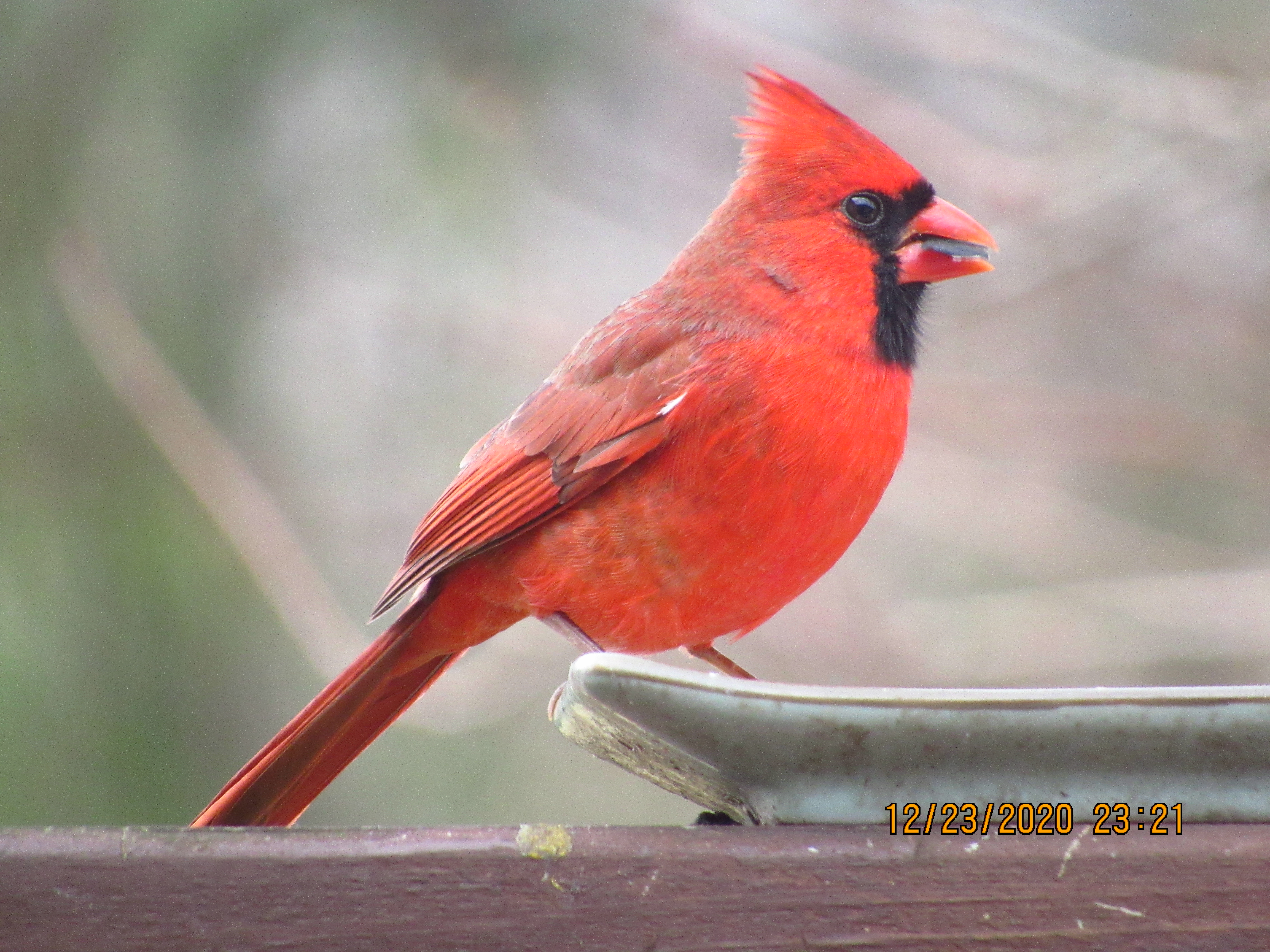
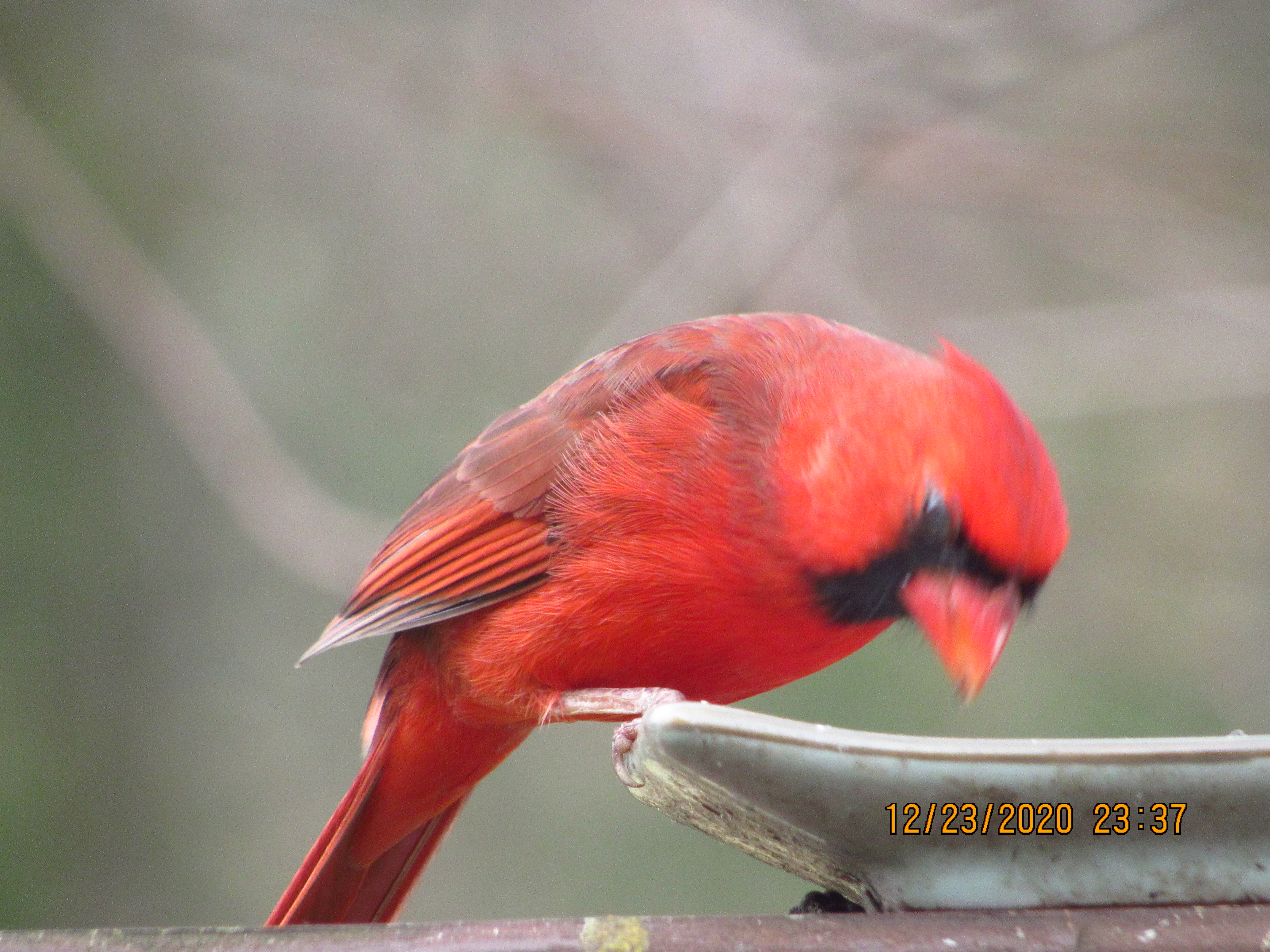
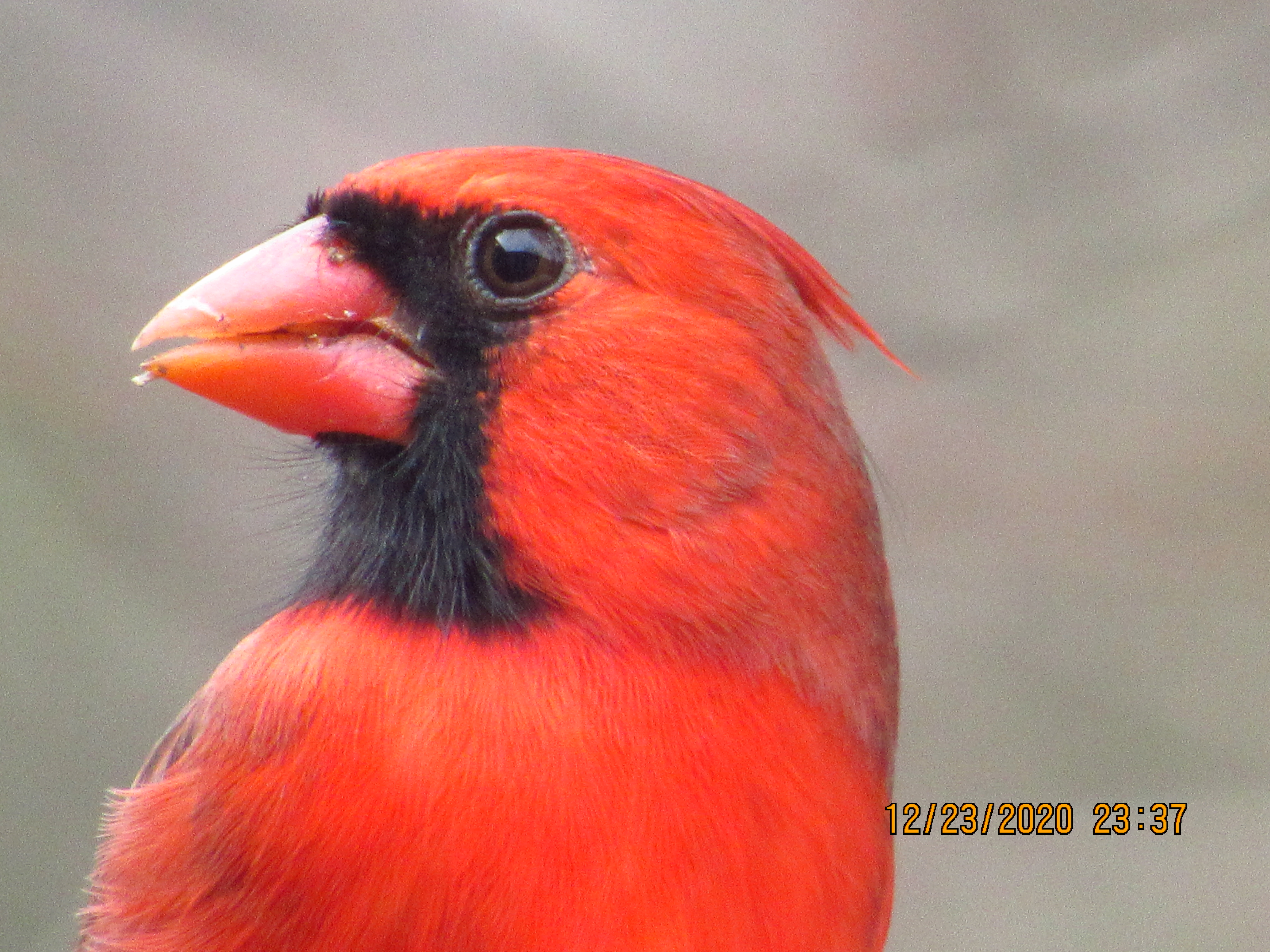
Buddy, my cardinal friend, was in fine form today. He is a handsome fella. I guess you can say a blanket or a coffee cup or some other beloved object is your friend, but really? I think to be friends both need to recognize each other. I recognize Buddy, and he recognizes me. He knows I put the seed in his saucer. He waits for me and flies a few feet away and then comes back when I back up a bit. To me, he is a friend.
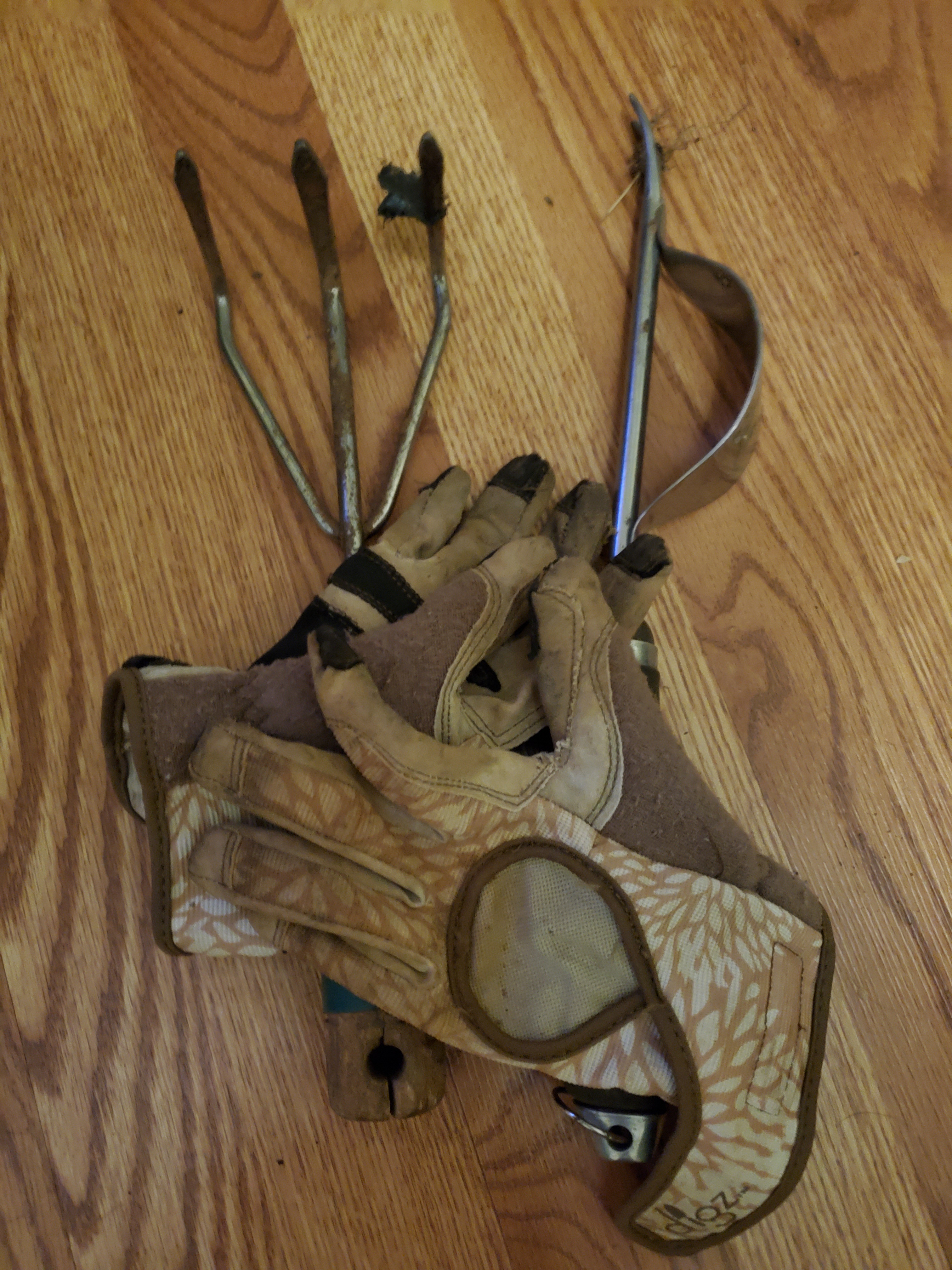
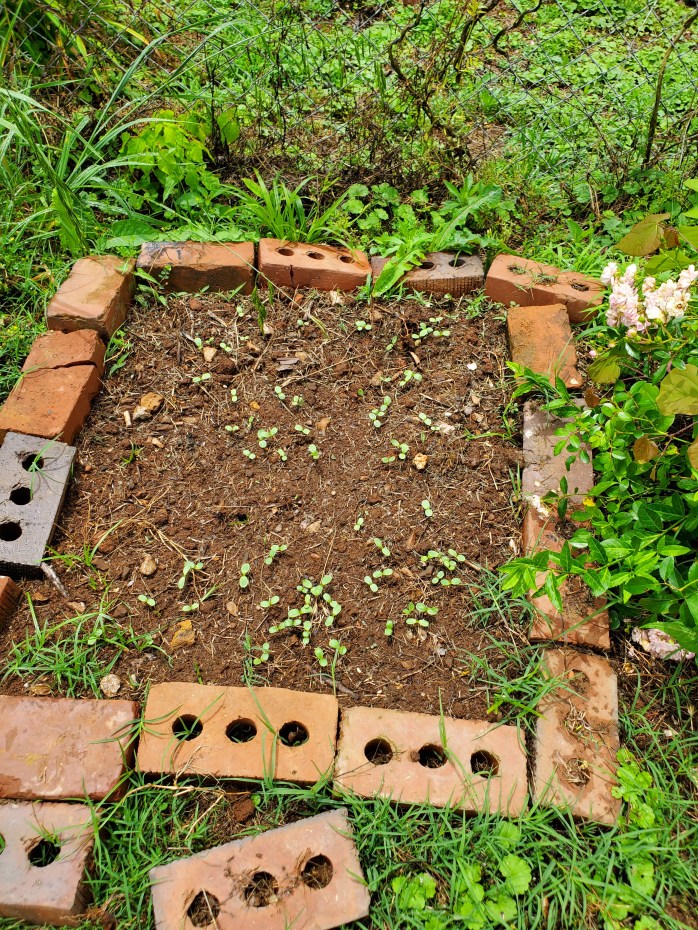
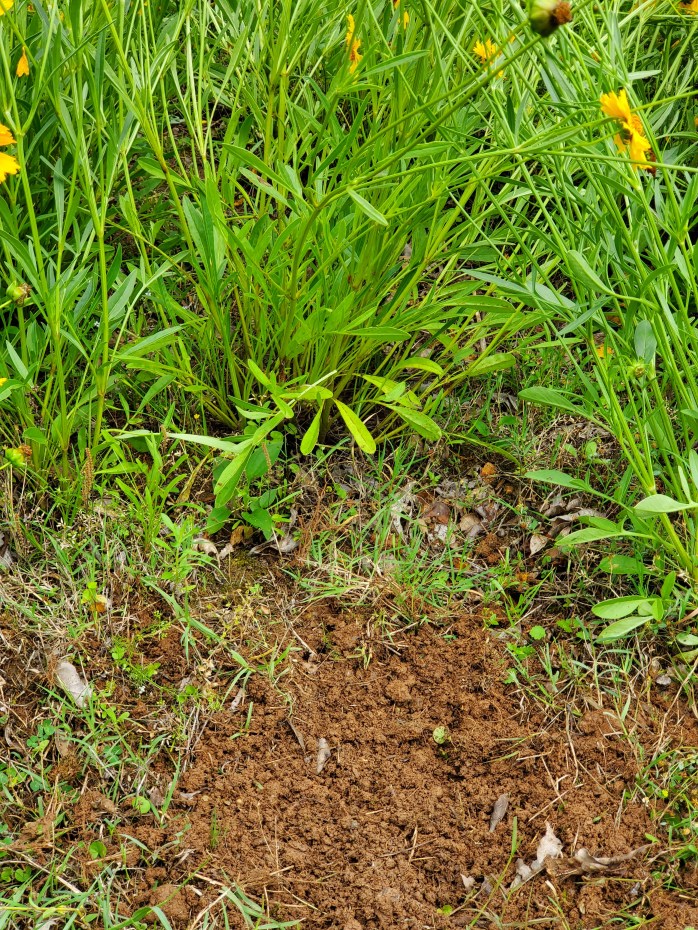
This is how my flower beds begin and how they are reclaimed. I dig on my hands and knees. I do this for several reasons. I can not afford to hire it done. Even if I could afford it, finding someone who will do what I do is hard. This is definitely not work for a landscaper. The main reason I do my own digging is I love it. Beginning with nothing but weeds or heavy unwanted grass and ending with patches of bright flowers is reward enough. I have claimed and then reclaimed enough small spots to know how much impact they can have.
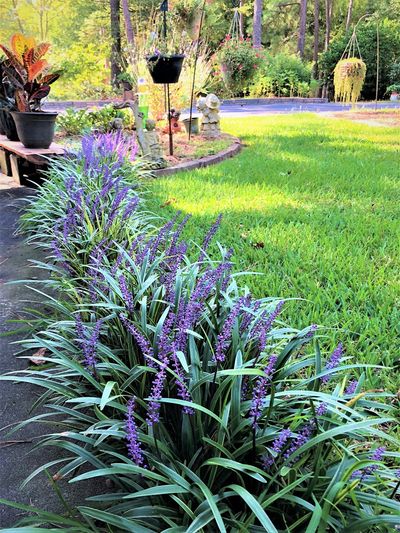
This spot has been difficult because monkey grass was taking over. Nurseries sell it. Many love it. I come close to hating it. It will crowd out everything else. This area had dahlias and gladiolus in the past. I have dug sacks and boxes of monkey grass from this and one other small area.
People pay good money for monkey grass aka as Liriope. The article below heralds it as a great ground cover and border plant. I would pay someone to dig up every clump in my yard – or my neighbors’. Look at those roots!
All the digging will be worth it in the spring and summer when the dahlias, glads, and maybe even hollyhocks are blooming.
Let others sing its praises, and they do. Perhaps it works well in landscaped yards that are well maintained. It has overtaken flower beds and even portions of my yard. If you want any, let me know for I will be perpetually digging. The good news is my daughter wants some to replace the area she got rid of on my advice. She misses it. Her yard was one of my first Master Gardener projects. It was a total fail.
Looking for a low growing, drought tolerant turf replacement? Try growing monkey grass. What is monkey grass? Rather confusingly, monkey grass is actually the common name for two different species. Yes, things could get a little muddled here, so keep reading to learn about the different types of monkey grass and how to use monkey grass in the landscape. What is Monkey Grass? Monkey grass is a groundcover that looks very similar to turf grass. It is the common name for liriope (Liriope muscari), but it is also referred to as border grass. In addition, monkey grass is oftentimes used as the common name for a similar plant, dwarf mondo grass (Ophiopogon japonicus). Are Liriope and monkey grass the same? In so far as ‘monkey grass’ is often the terminology used for liriope, then yes, which is confusing since mondo grass is also called ‘monkey grass’ and yet liriope and mondo grass are not the same at all. In fact, they aren’t even grasses. Both are members of the Lily family.
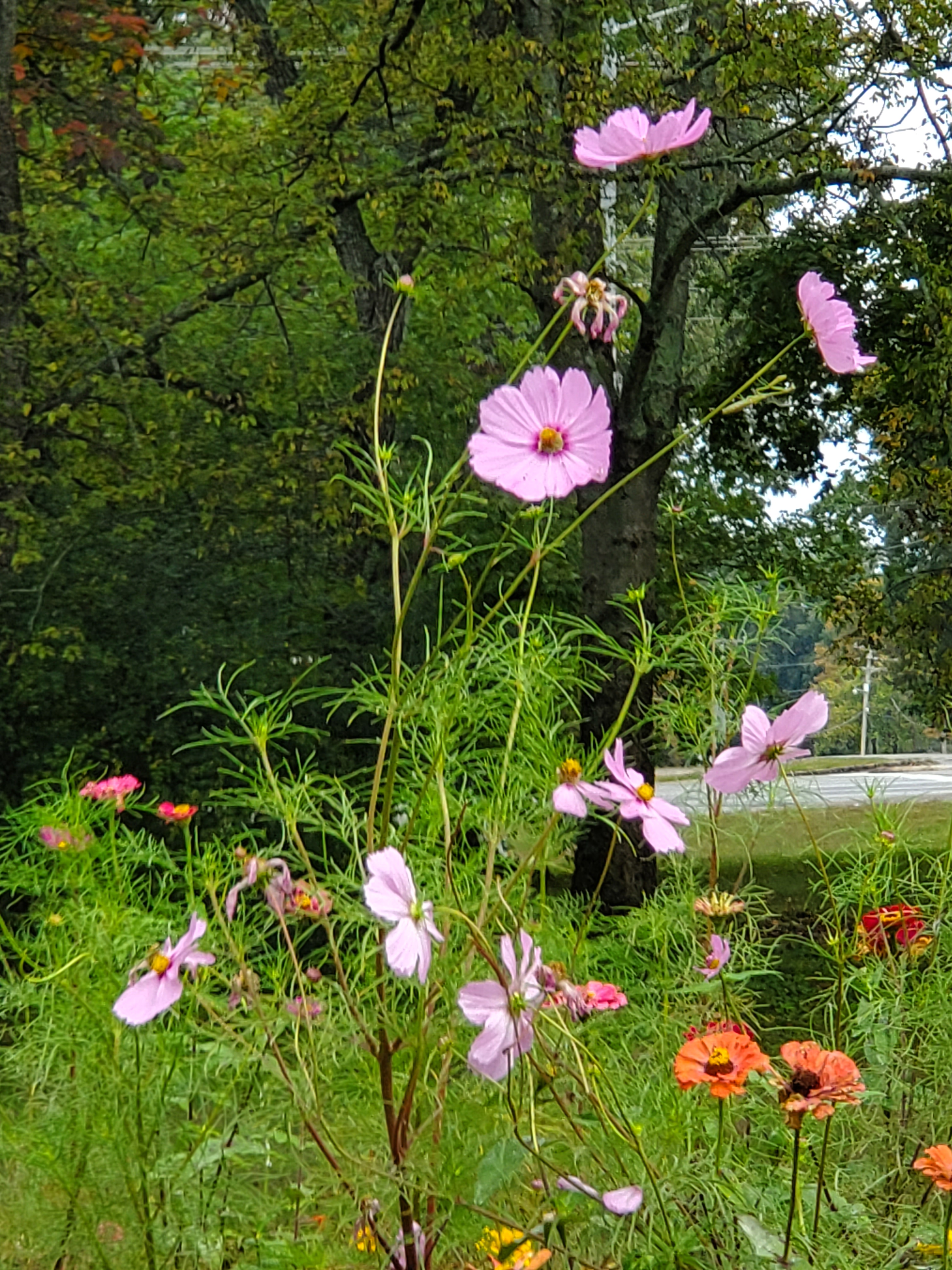
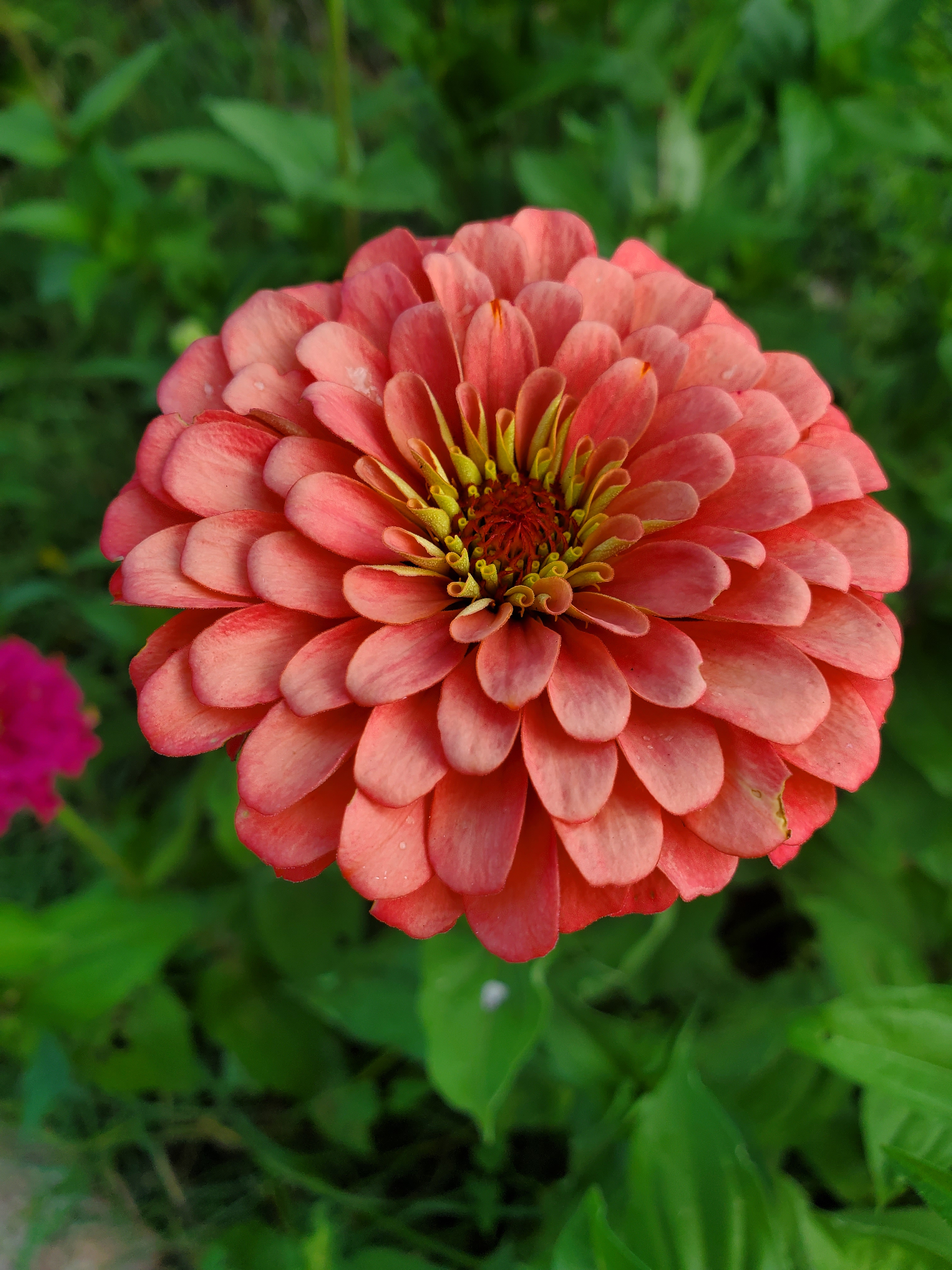
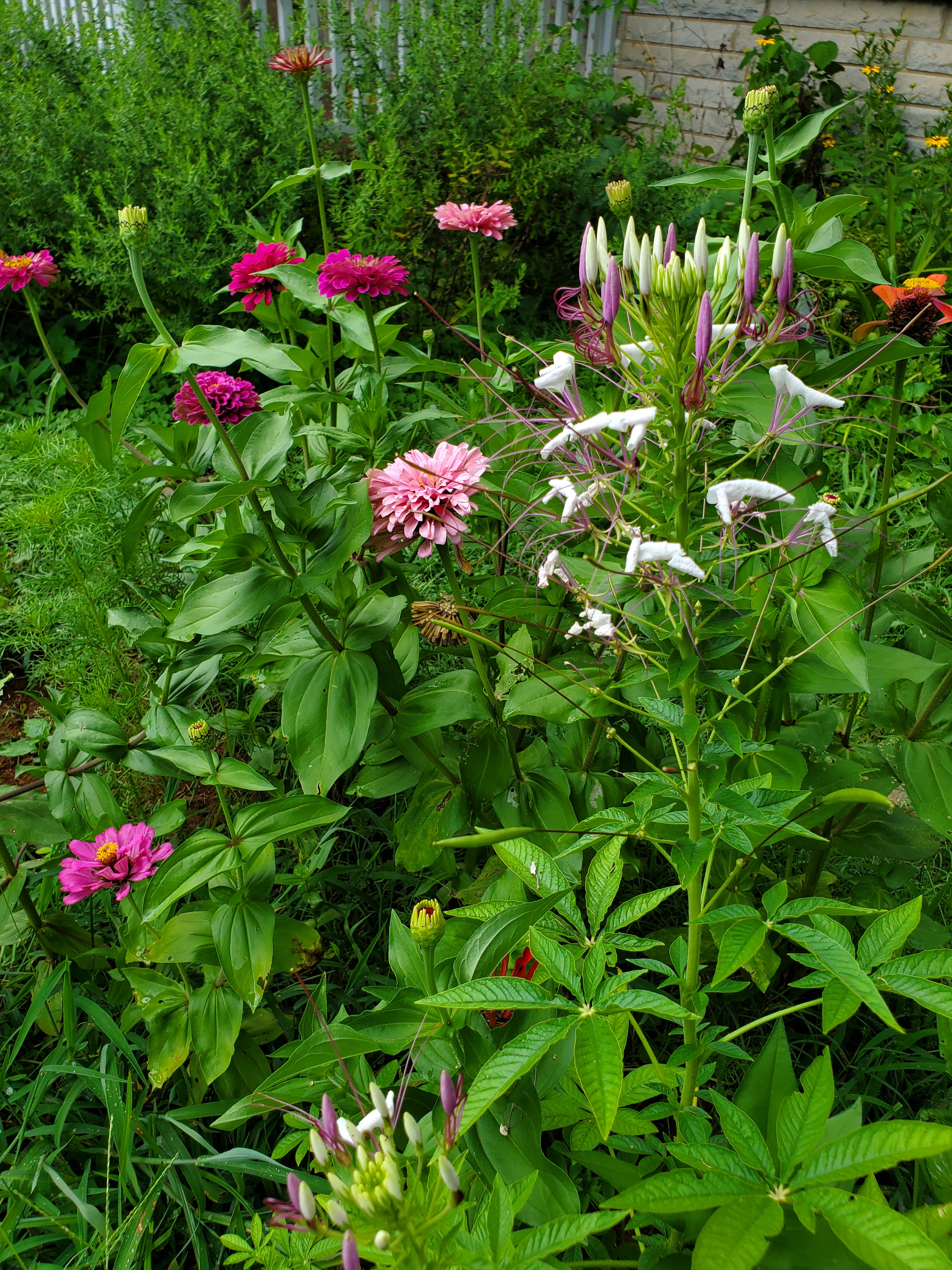
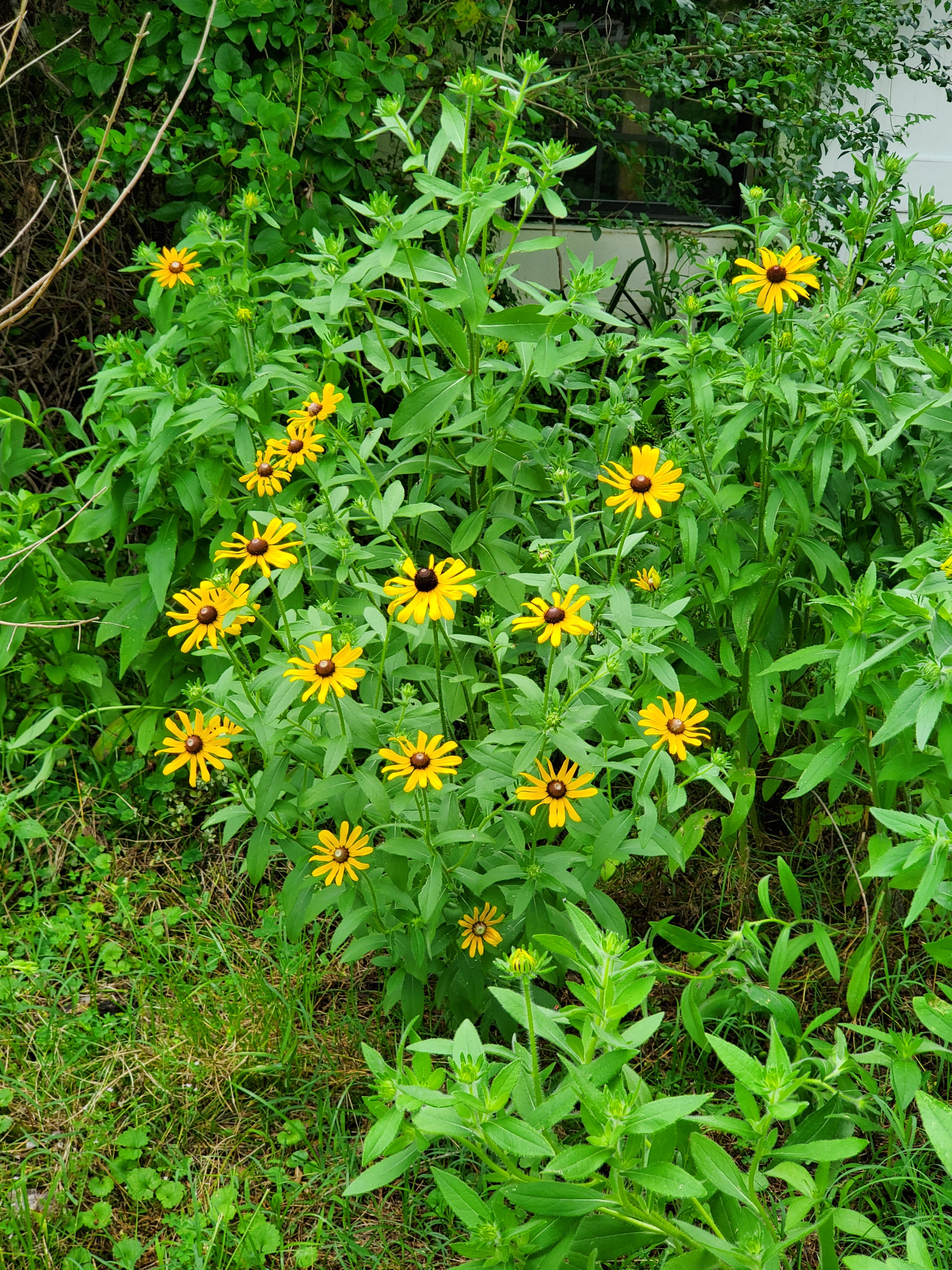
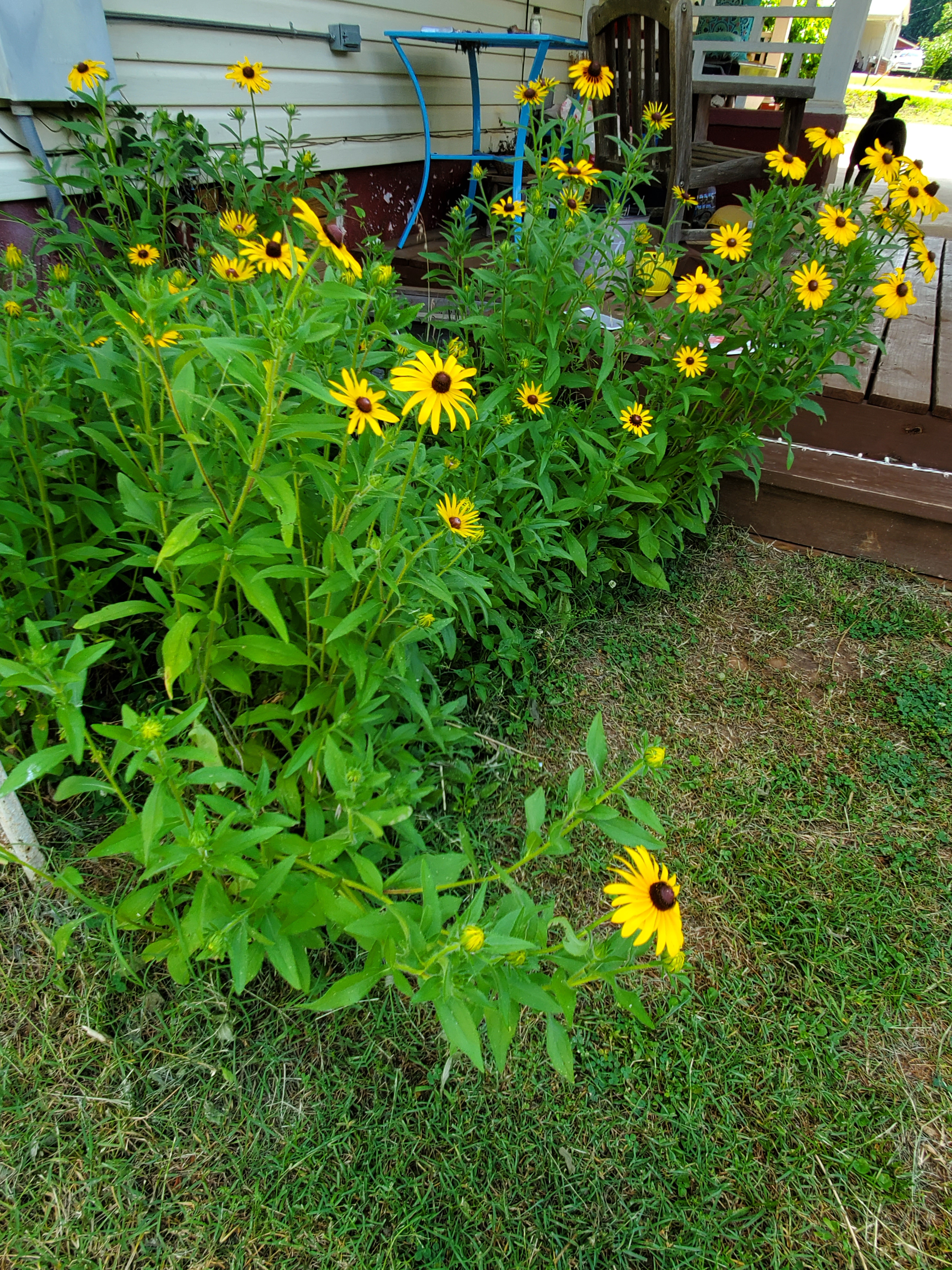
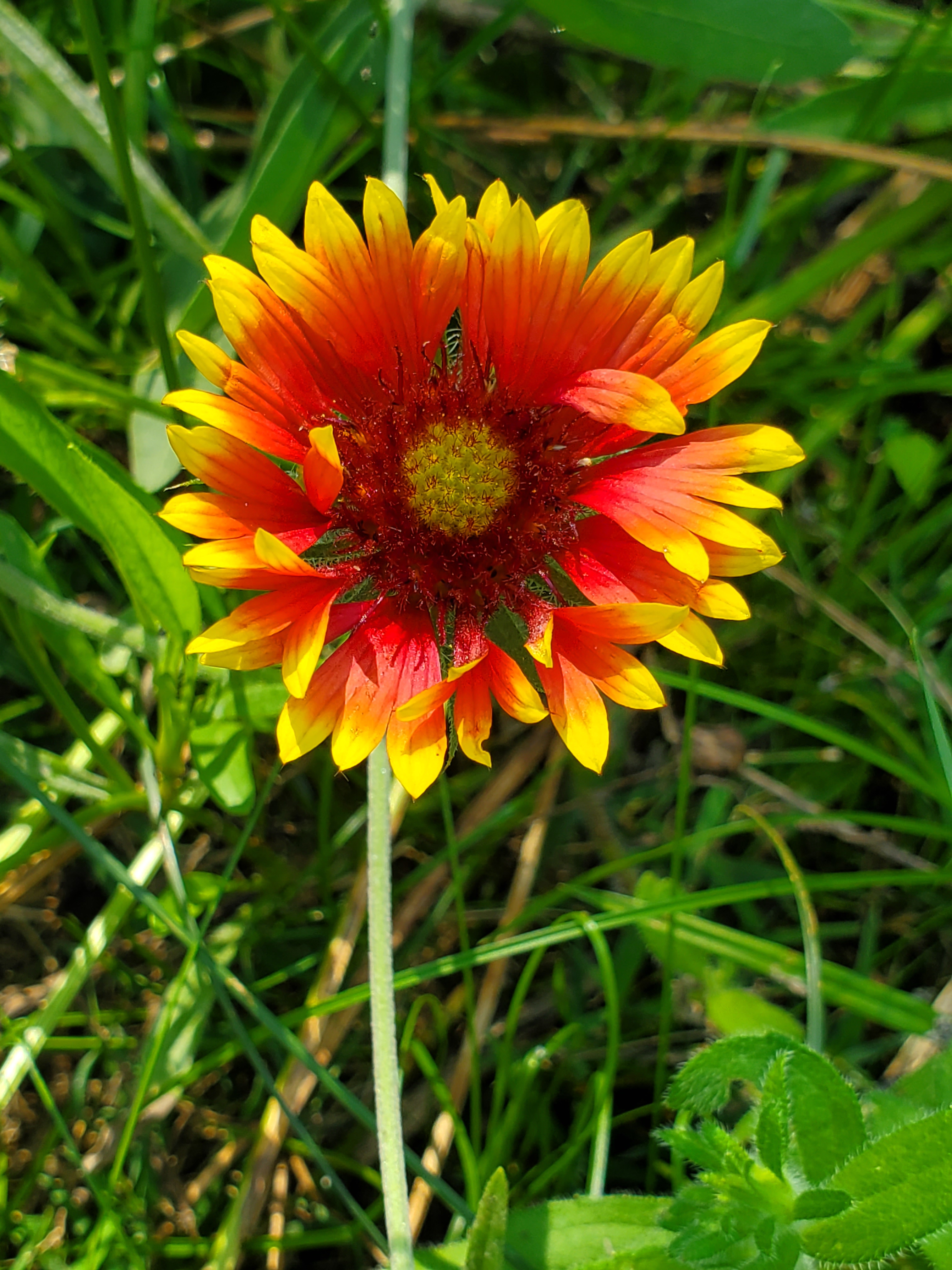
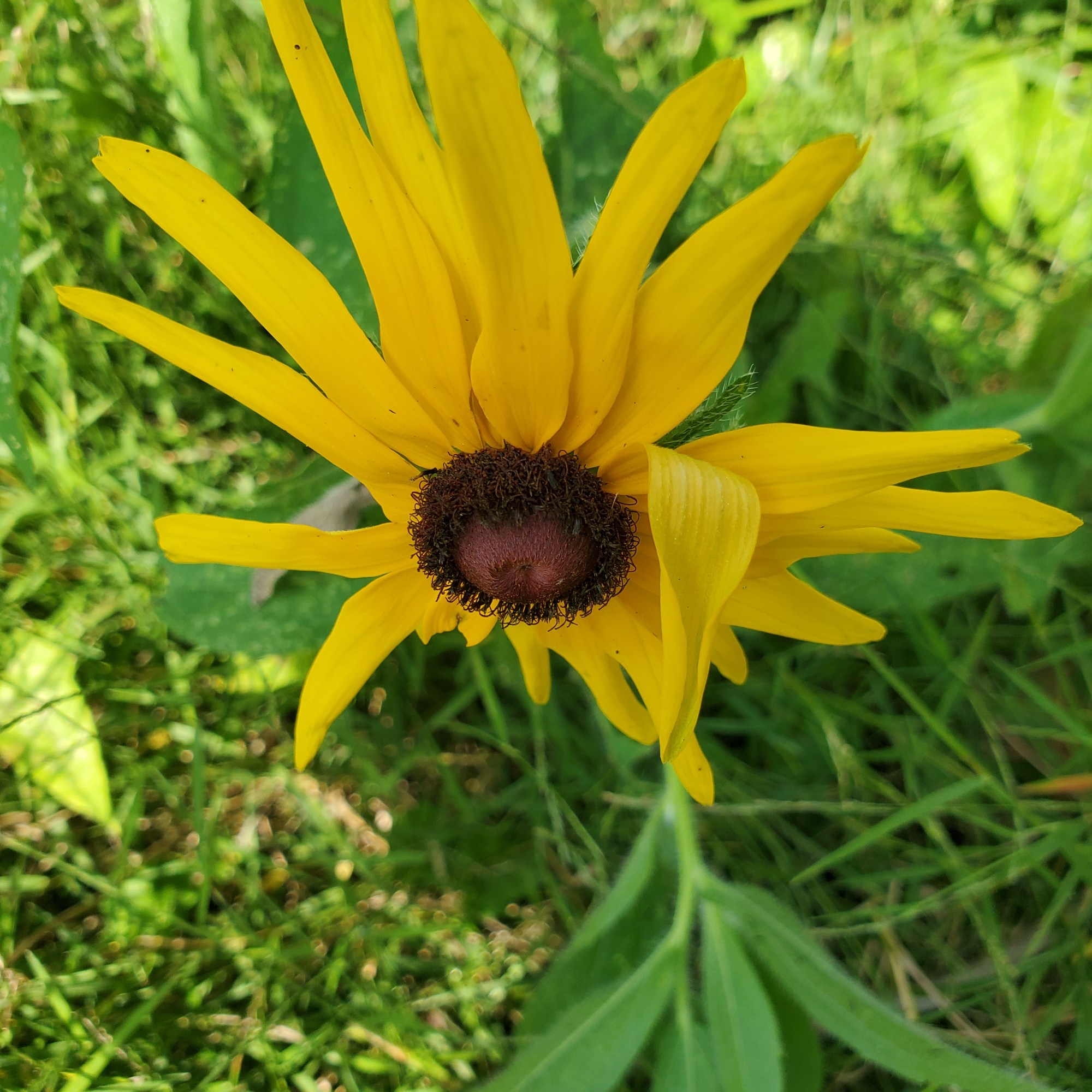
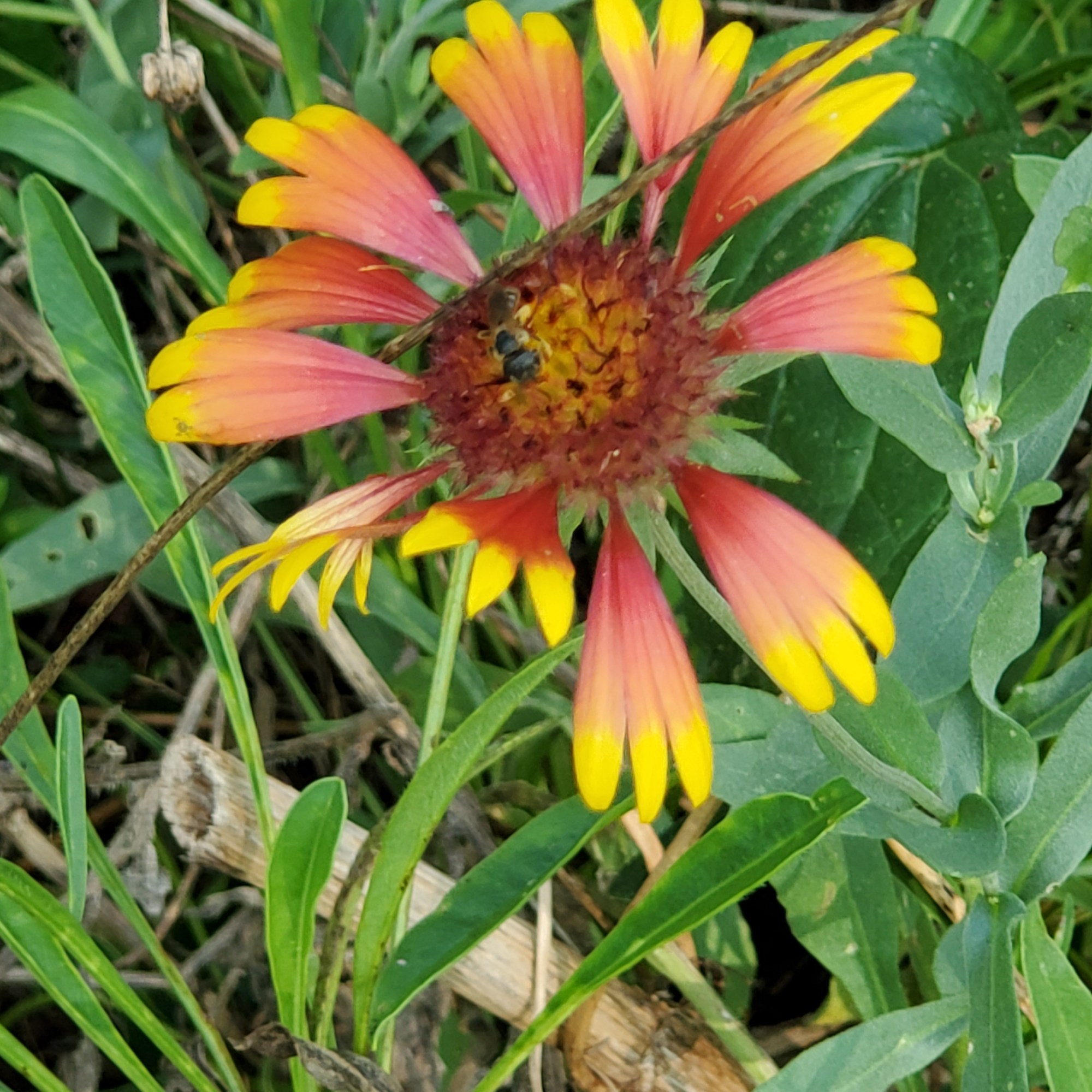
Zinnias, coreopsis, black-eyed Susans, daisies, echinacea, larkspur, cleome, sunflowers, four o’clocks, butterfly milkweed, cosmos, asters, marigolds, poppies, phlox, bachelor buttons, amaranth – in abundance in my yard each spring, summer, and fall. I plant seeds; Mother nature does the rest. Nurseries sell these plants in pots ready to put in the ground. I can not afford buying plant at a time. Why would I when I can buy and save seeds resulting in an abundance of plants?
Some years I have hired someone to break sections of my yard with a rotary tiller and then planted seeds. The last two years I have not connected with anyone with a tiller who will work for me, so I have pulled weeds and grass and dug spots with handheld garden tools. I either knell or sit on the ground to accomplish this much harder step. If I could find hired help, I would not do it all by myself. I am seventy-five with some aches and pains. Starting with grass or weeds to get a spot ready is hard but not as hard after a rain.
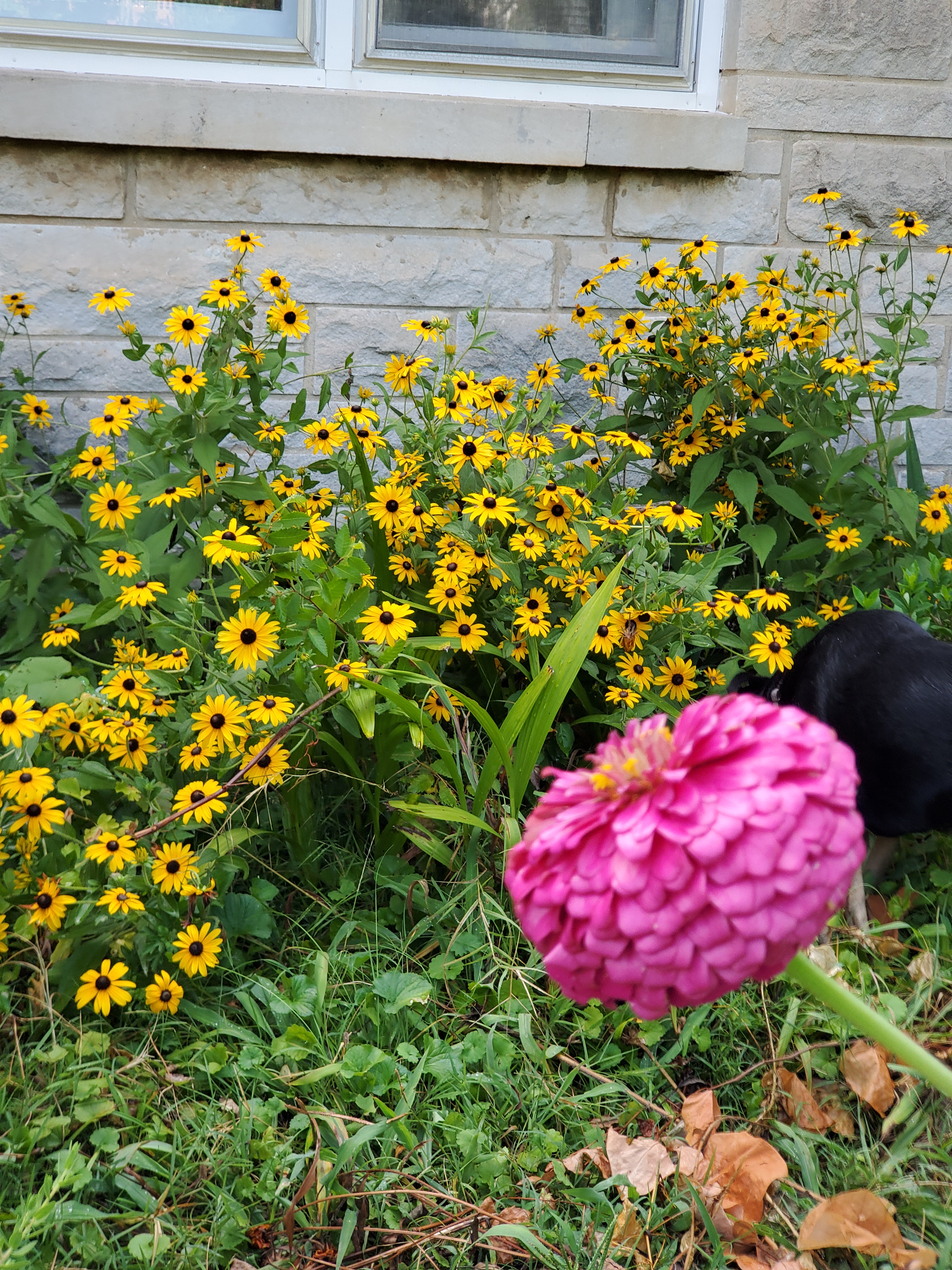
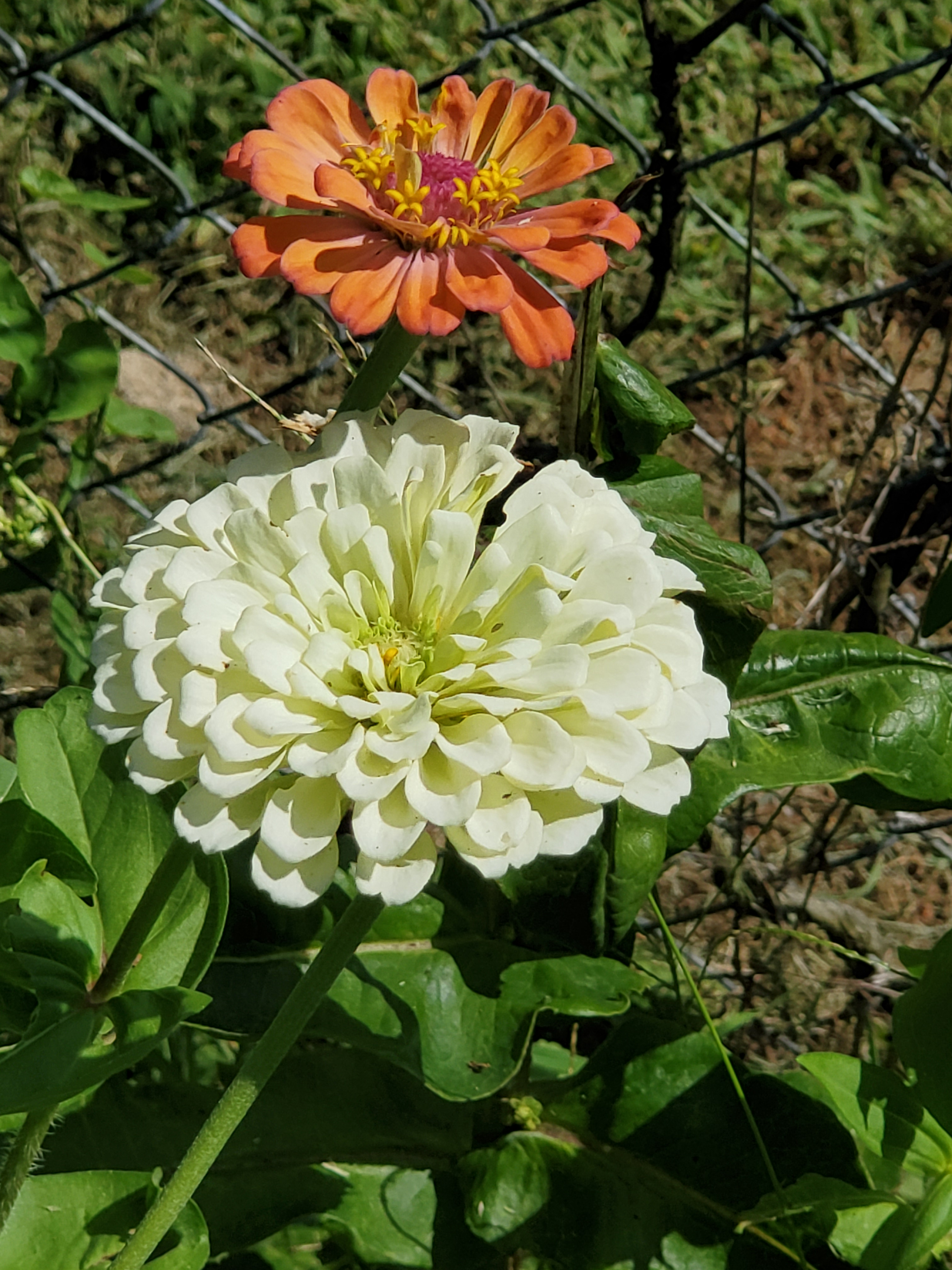
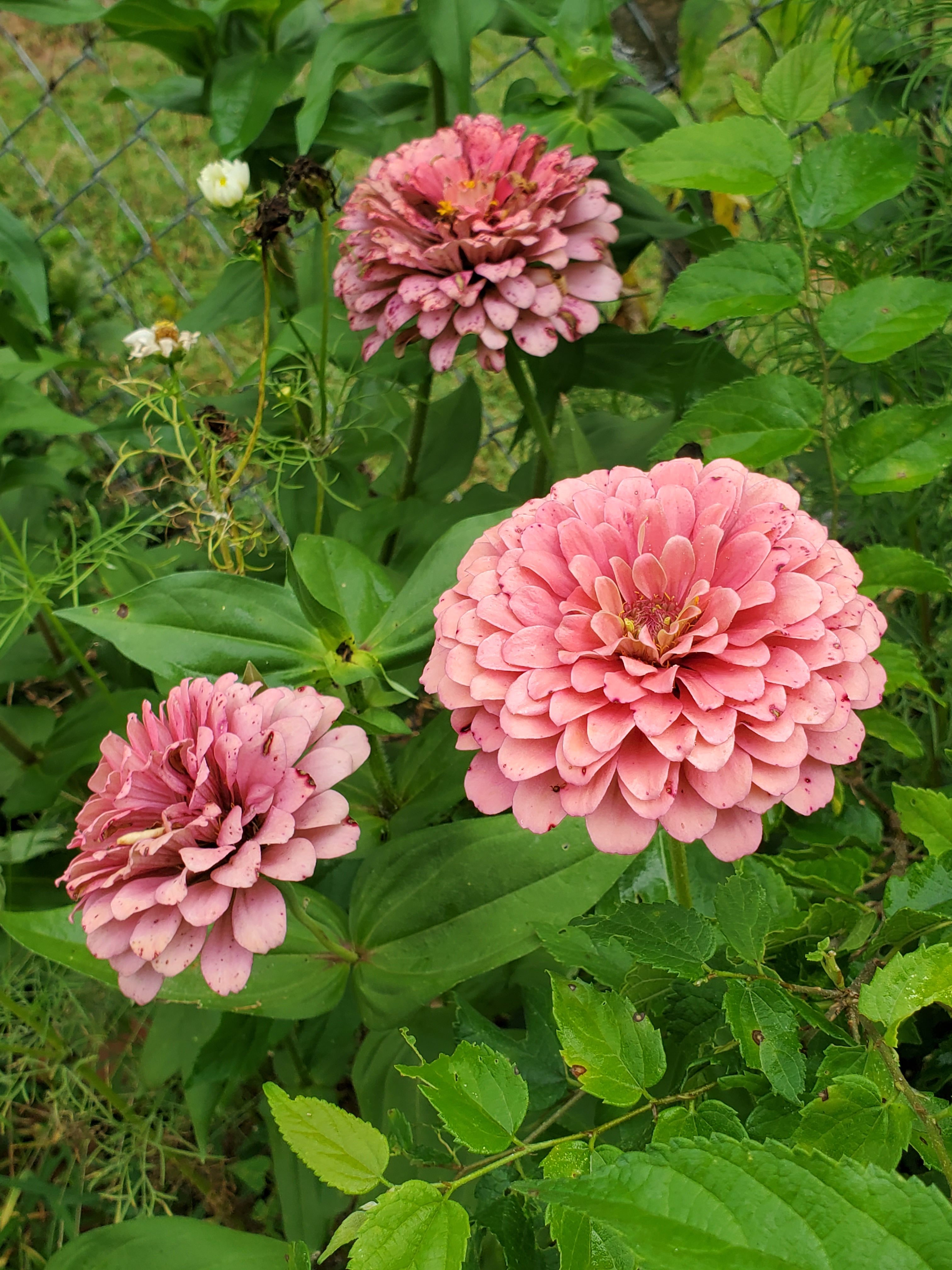
Look what grew from seeds in the spots I dug. I would say a huge return on the investment of my time and energy. I garden with Mother Nature. I use no marketed insecticides, herbacides, or poisons. I do water on a very limited bases until seedlngs are well established. I use egg shells and coffee grounds as fertilizer plus some marketed ones.
I asked friends what I do well that they would like to know how to do. One answer was growing beautiful flowers. If I offer a four week online course teaching you how, would you be interested? Let me know.
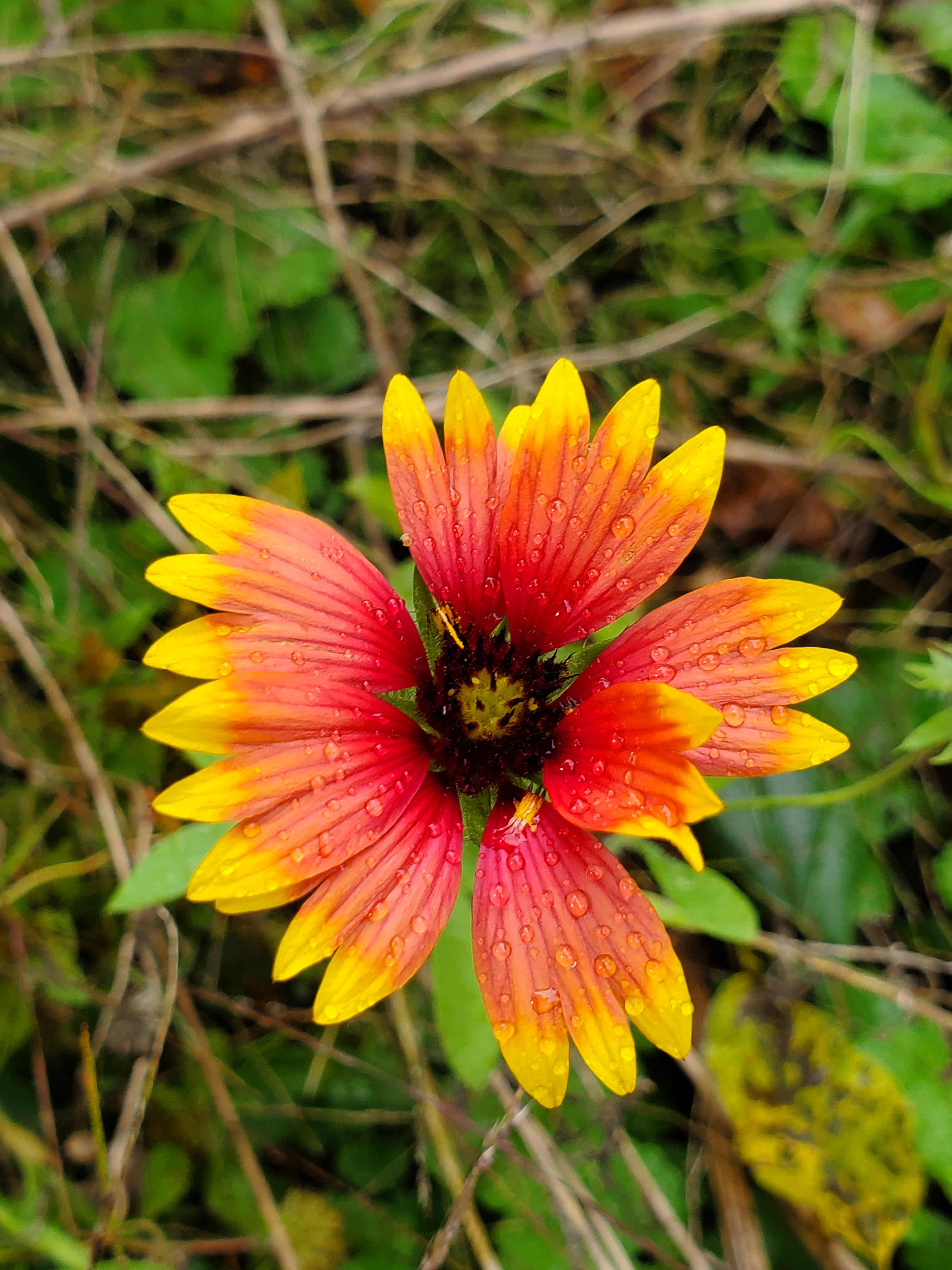
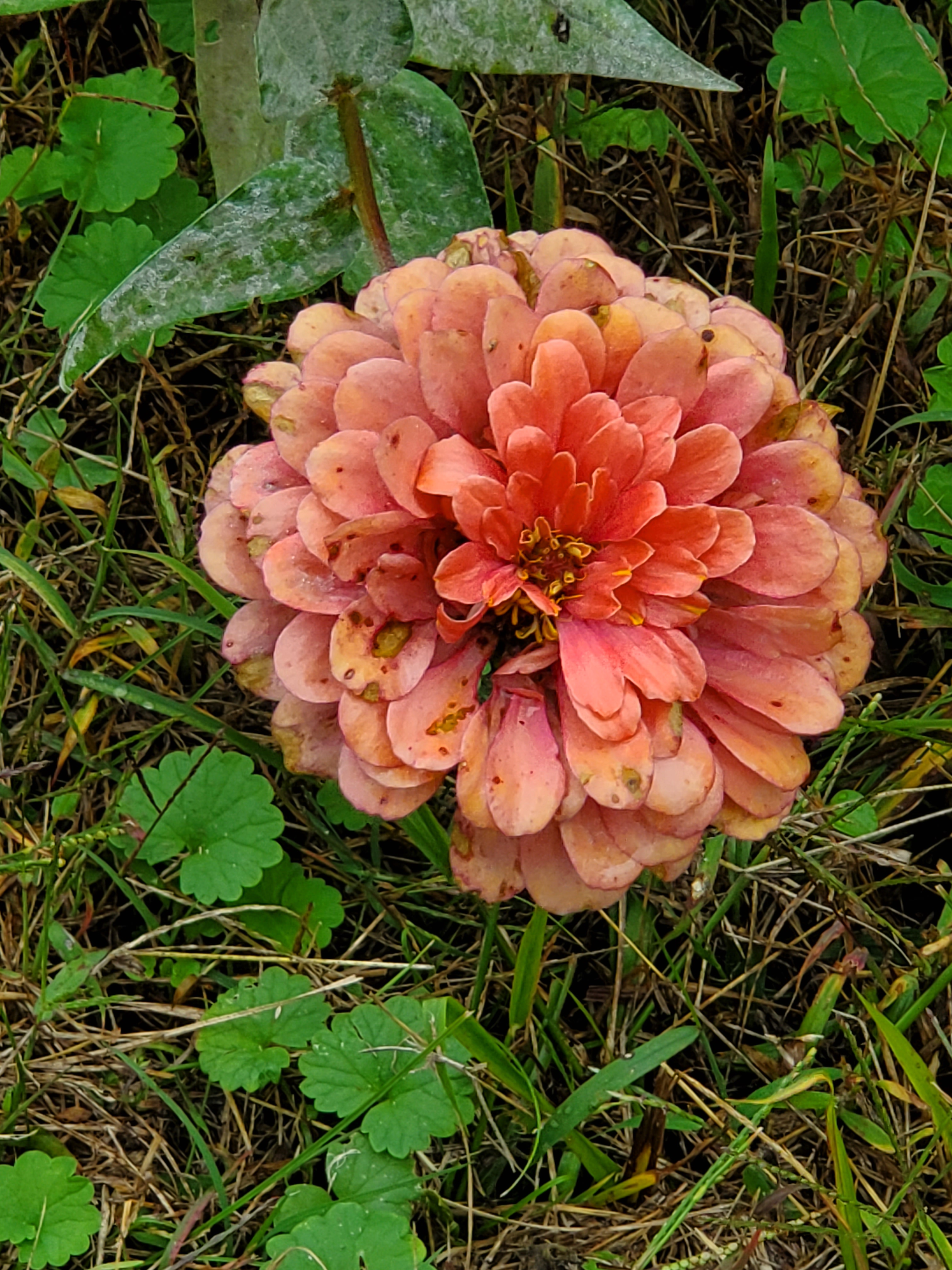
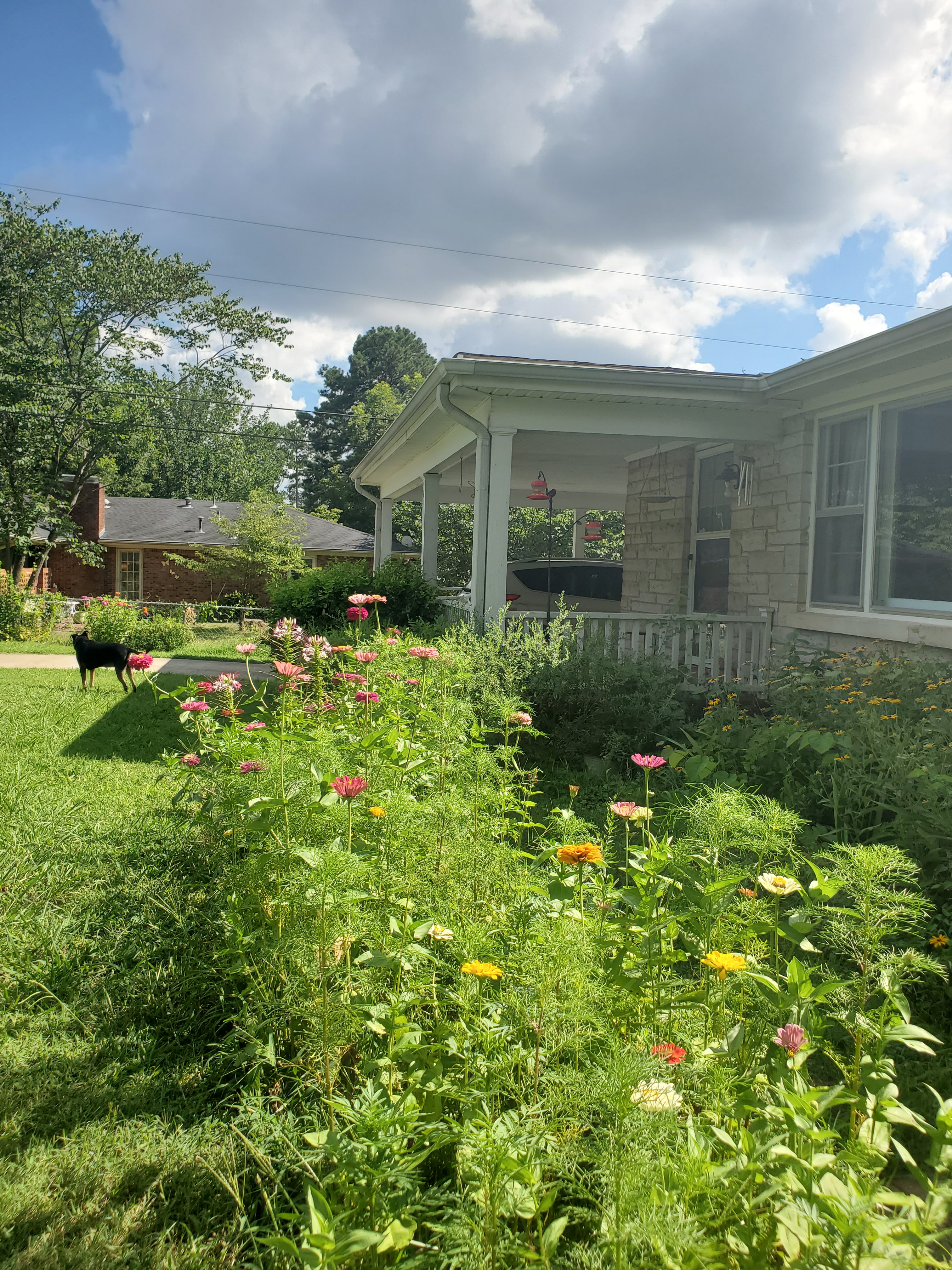
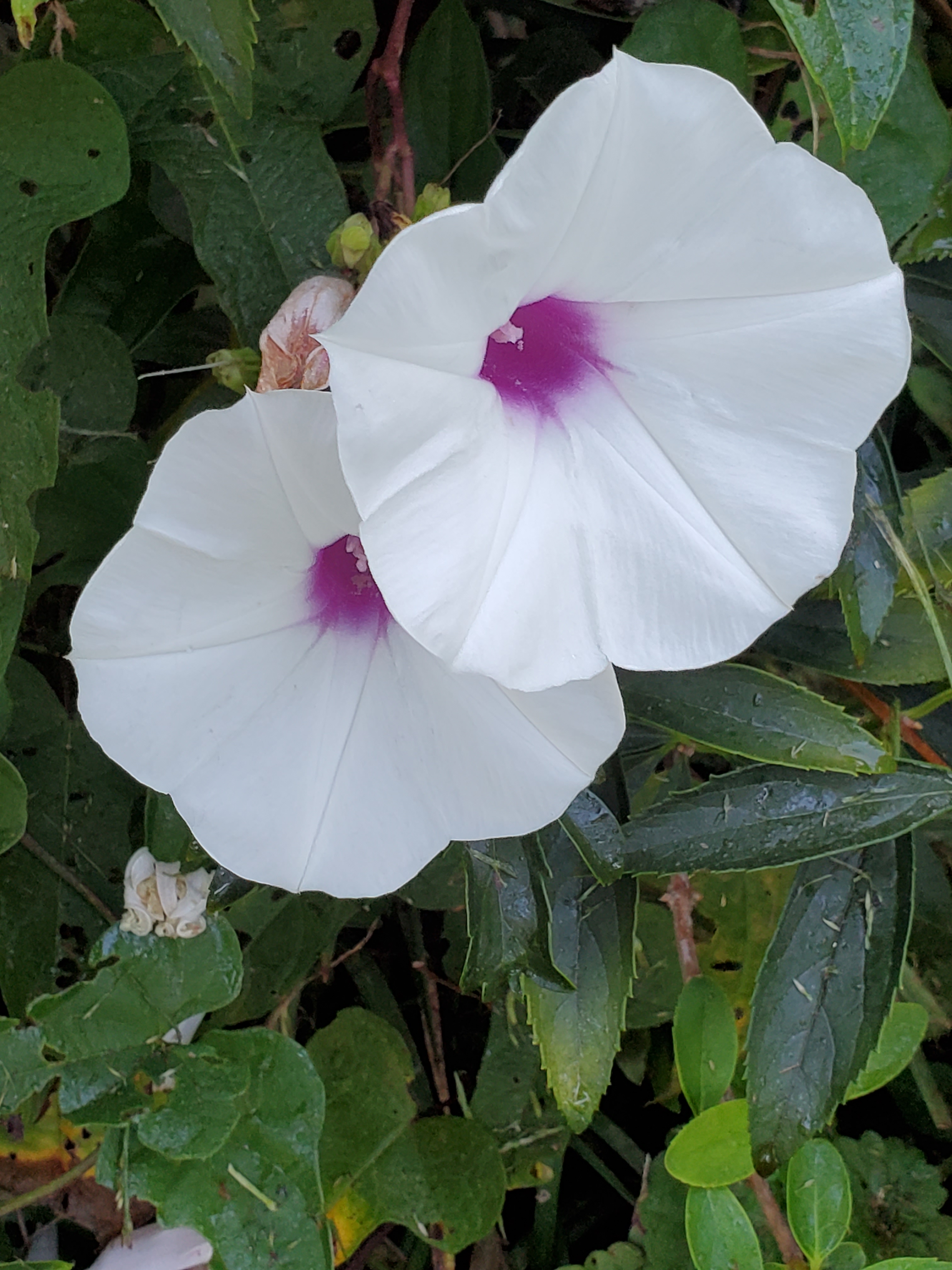
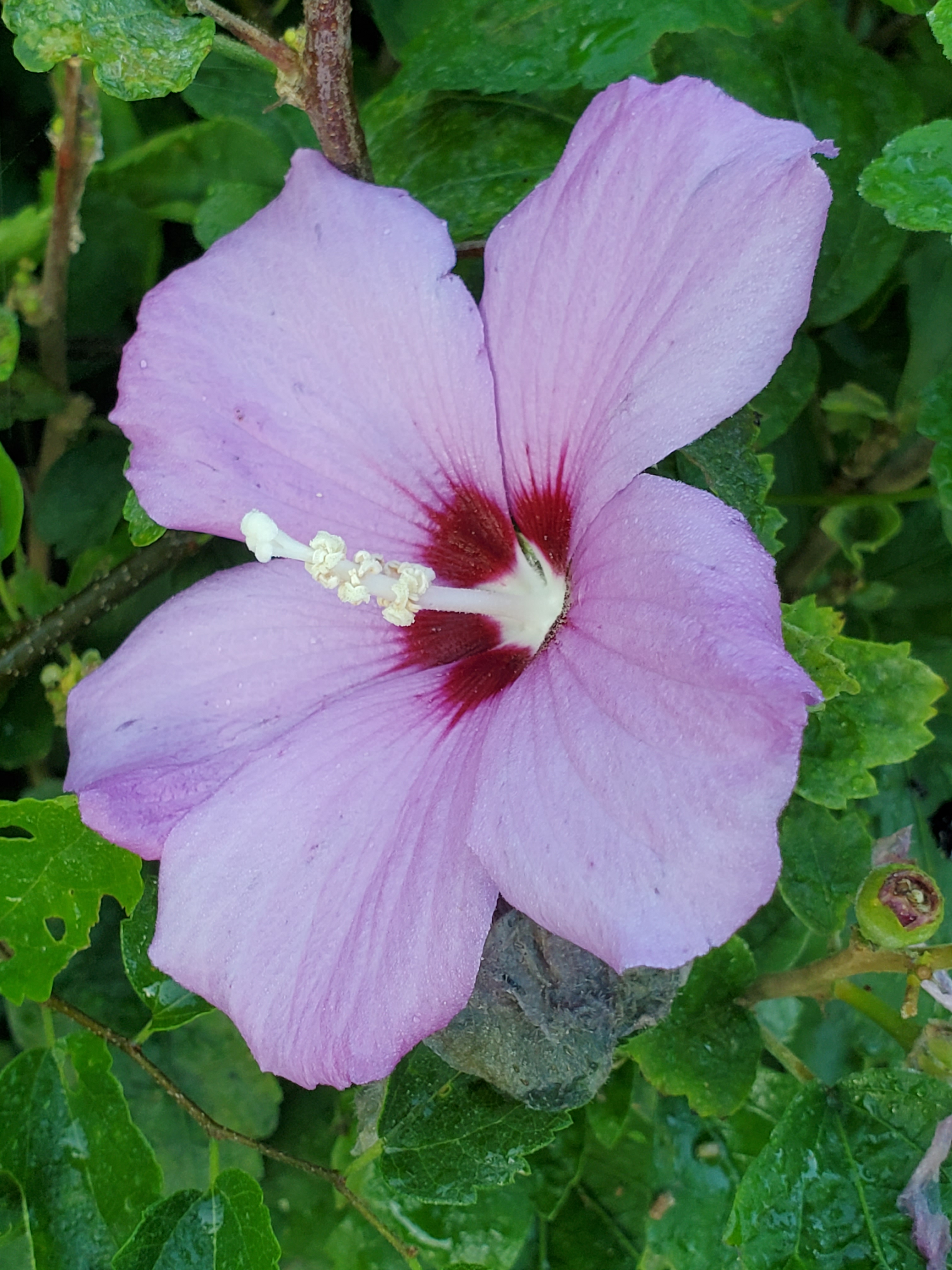
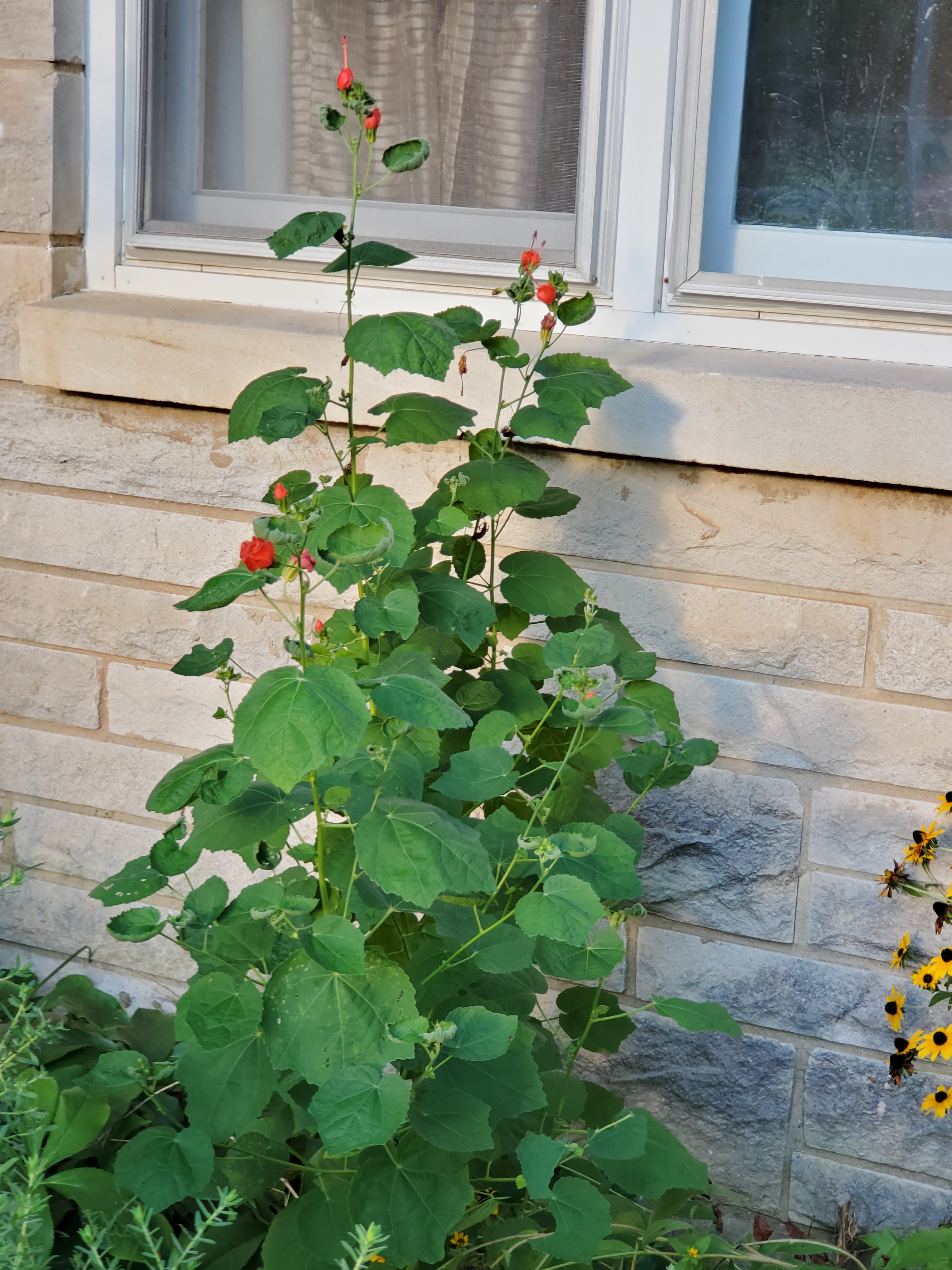
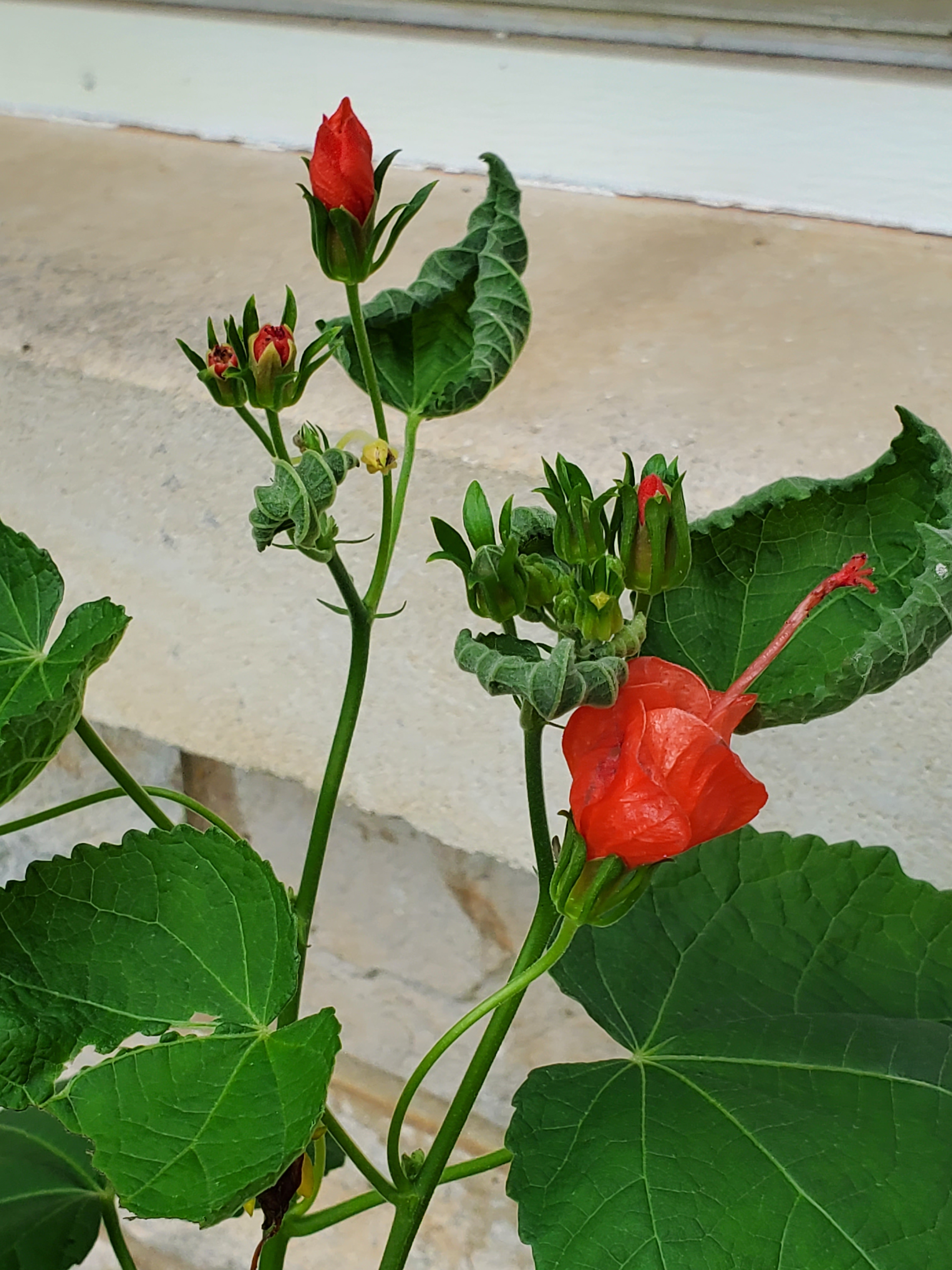
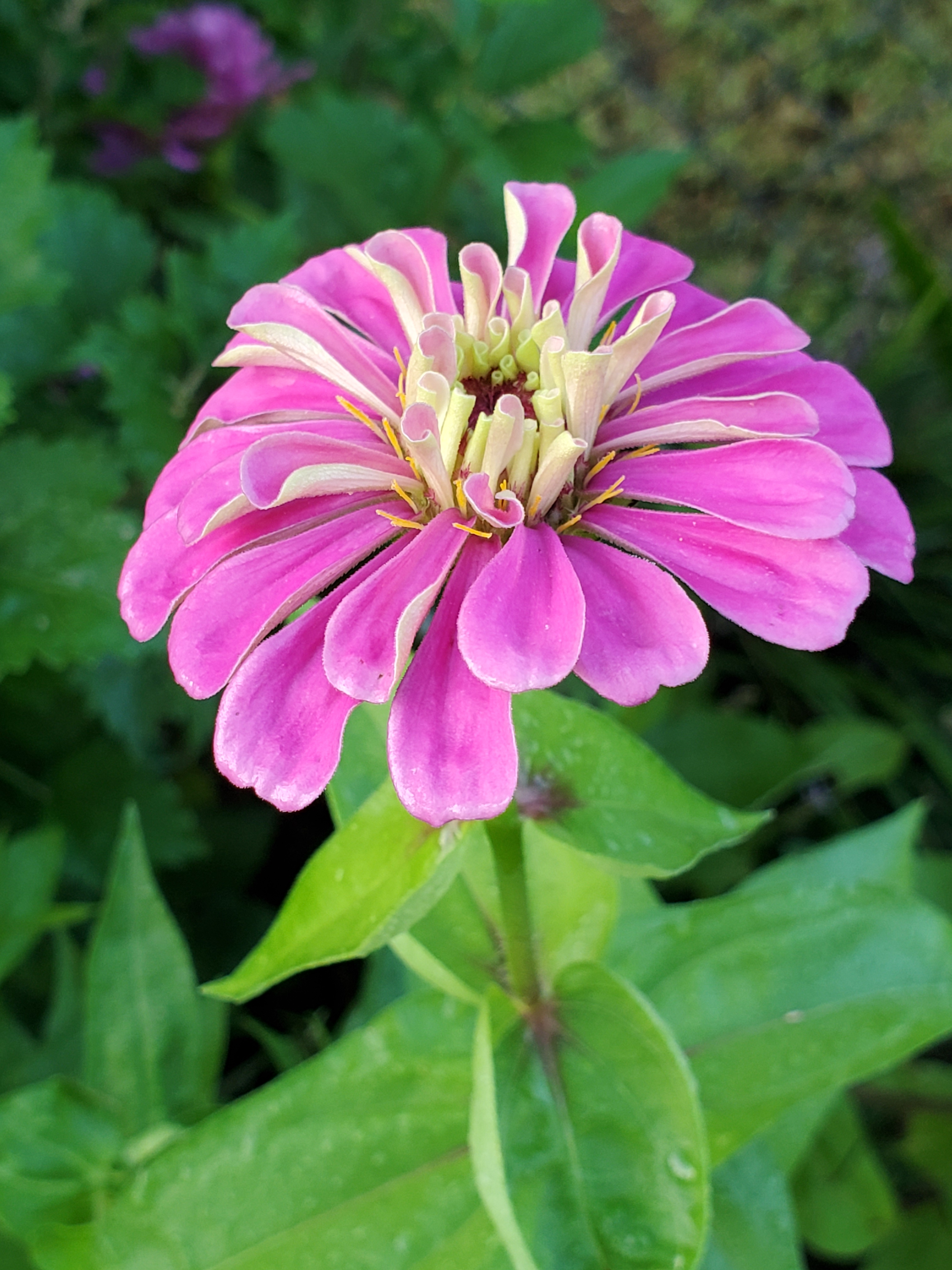
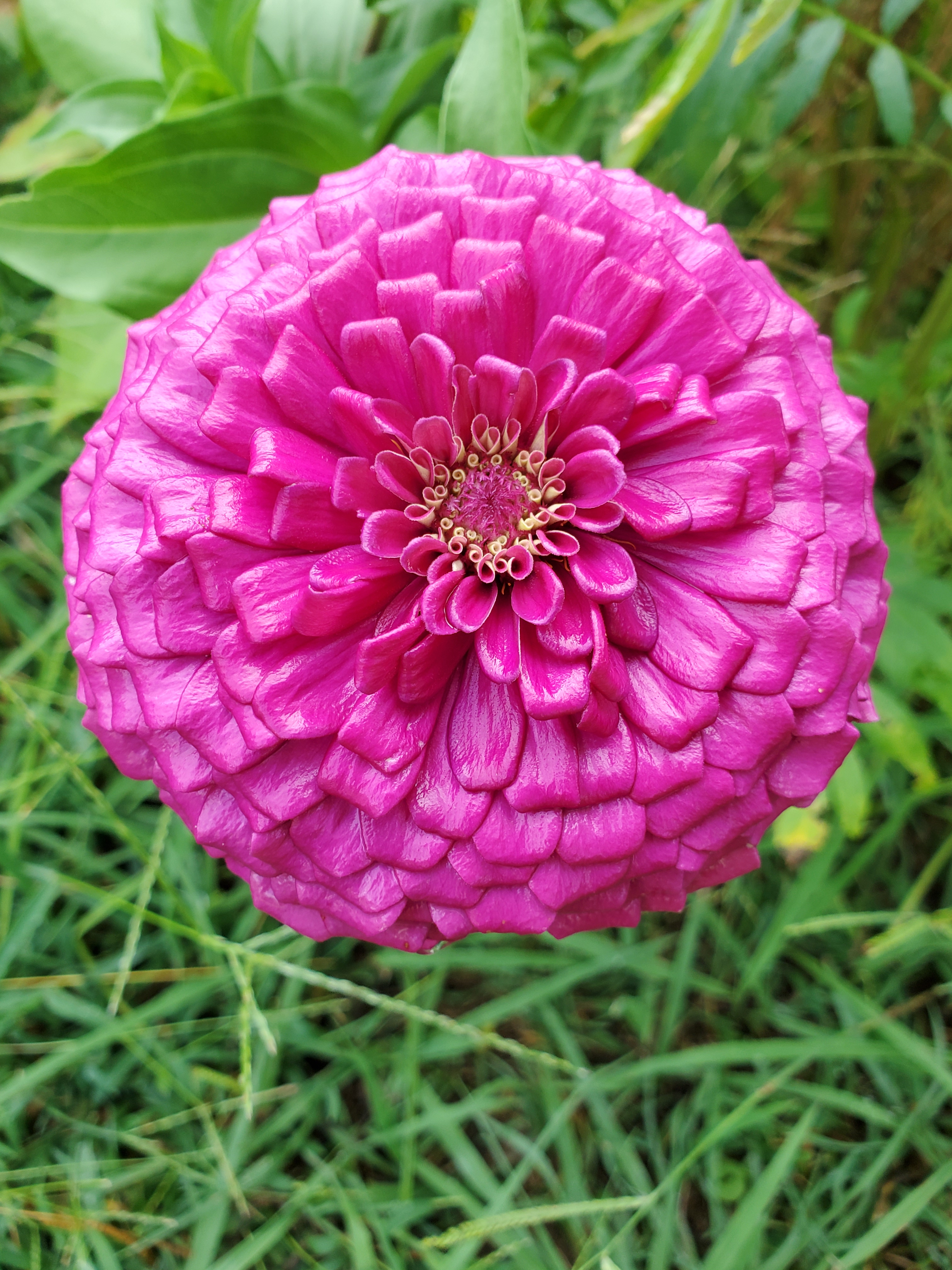
Embrace the wild, that’s my motto. The rose of Sharon bushes are as old as the house which was built in the late fifties. The morning glory vine ? Who knows how long their tendrils have been wrapping around my bushes, shrubs, and other flowers. In Alabama, they usually are not intentionally planted unless on a arbor or trellis. The moon flower vine is in the same family as the morning glory. I planted mine from seeds and am sure my neigbor wishes I had not because they are taking over the shrubs on our propery line. I like wild; she likes manicured. The red Turks cap, I planted and have waited patiently for it to grow to this size. It dies down in the winter and comes back in the spring. If I had to pick a favorite flower, it would be zinnias. I plant them from seed in any area that is someone else tills are dug up by me. These are wildly growing in front of my house.
I capture the beauty because I am looking through a camera lens. When I look at the photographs, I see more clearly.
Moon flower vine, morning glory vine, rose of sharon, Turks Cap, and zinnias



































 Stephanie C Brown